
A Petaluma Parent’s Guide to Back-to-School Season and Family Chiropractic Care
School starts and the whole house changes. Bedtimes move earlier. Mornings get louder. Backpacks get heavier. Practice lands on a school night.
If you are raising kids in Petaluma, Penngrove, Cotati, or Rohnert Park, you already feel it in late August. The summer rhythm is gone. The new one has not settled in yet.
This post is about load. Specifically, the load your family’s nervous system carries in a busy season, how we look at that load at Titan Chiropractic, and what a back-to-school check-in actually looks like here.
What Actually Changes for a Family in Late August
Think about the week before school and the week after.
Sleep shifts by an hour or more. Kids go from barefoot summer days to sitting in a chair for hours. Screens come back for homework. Sports and dance and practice start up again. Parents add drop-off, pick-up, and a stack of forms to a day that was already full.
None of that is bad. It is just new. And new means the body is doing more adapting than it was doing in July.
Every one of those changes runs through the same place. The nervous system. That is the brain, the spinal cord, and the nerves that branch out to everything else. It is the system that runs the whole show, all day, without ever asking you.
Why We Talk About Load, Not Labels
Here is the picture we use with parents all the time.
Your nervous system is like the breaker box in your house. It can handle a lot. Run the lights, the fridge, the oven, and the dryer all at once and it holds. But keep adding, and eventually a breaker trips. The wiring is not broken. It is protecting itself from too much at one time.
August adds to the box.
Or picture Highway 101 at five o’clock. The brain and spinal cord are the freeway. The nerves are the on-ramps and off-ramps. When traffic flows, everything gets where it is going on time. When something slows the flow, the backup shows up a long way from where it started.
The frame we come back to every single day is simple. Your body is designed to work at 100 percent. Symptoms are signals, not the whole story. When the nervous system carries more than it can clear, function slips. Gentle adjustments help clear those stress patterns. Then the body does the rest.
So we look at load.
The Three Simple Things We Ask Families to Protect
We are an adjustment-only office. Outside of the adjustment, we keep our advice short.
Sleep. Guard bedtime like it matters, because it does. A nervous system does most of its recovery work at night.
Water. Kids drink less when they are busy. Send the bottle. Refill the bottle.
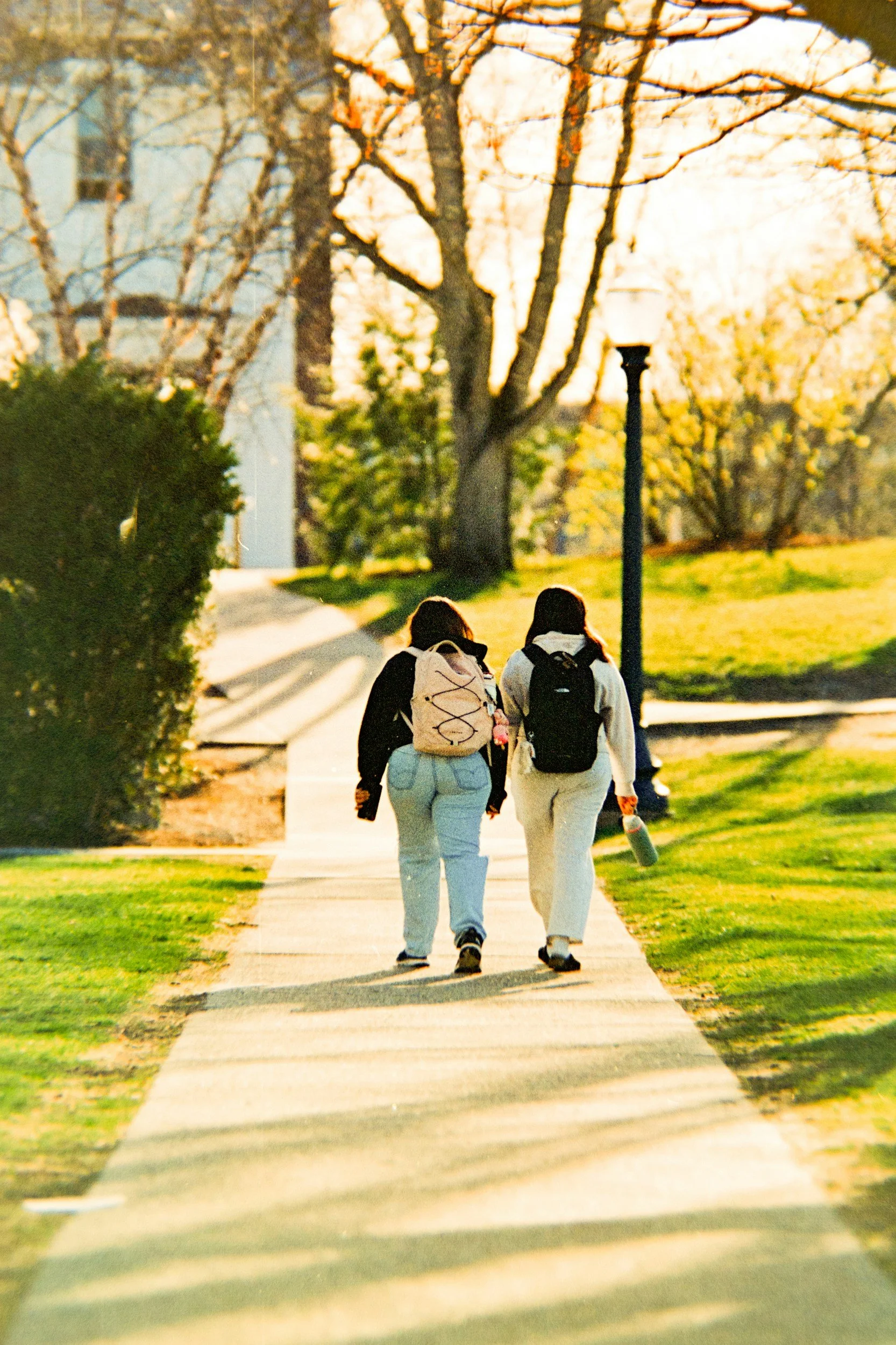
Walking. Not a workout. Just movement. A loop at Helen Putnam, a lap around the block after dinner, ten minutes outside before homework. Movement is information traveling up to the brain, and the brain likes to be well informed.
Three things. Free, simple, and they hold up all year.
How We Check a Nervous System Instead of Guessing
This is the part parents tend to remember.
We don’t guess. We test, adjust, and retest.
Before we touch anyone, we run our INSIGHT scans. Three quiet scans. No needles, no radiation, nothing that hurts. They take a few minutes, and most kids think they are fun.
neuroCORE reads the electrical activity, the nerve energy running along the spine. It shows us where things are calm and where something is working overtime.
neuroTHERMAL reads the heat pattern down the spine. That pattern is run by the automatic nerves, the ones quietly controlling organs and glands without you thinking about it.
neuroPULSE reads the rhythm of the heartbeat. This is the one where we talk about a gas pedal and a brake. It shows us how well a body speeds up when it needs to and settles back down when the day is over.
Those three fold into one number called a CORESCORE, on a scale of 0 to 100. It gives us a starting point in plain sight, and it gives you something real to compare against later.
Then we scan again down the road. The re-scan is the honest part. It is how we find out whether what we are doing is helping, instead of asking you to take our word for it.
What a Back-to-School Check-In Looks Like
Short. That is the first thing to know.
For a family already under care, a school-season check-in is a regular visit. You come in, we do a Zone head check, and we adjust what the check shows us.
The Zone Technique is the method we use. We read six zones of the body at the head, find the one that is out of balance, and adjust the specific spinal points that go with it. You leave with a Zone Slip, so you know exactly what we found and what we did.
The adjustment itself is gentle. For babies and little kids, we use about the pressure you would use to check a ripe tomato at the farmers market. It is a light, specific contact. For older kids and adults it is specific and quick.
If your family is new to us, that first visit runs longer, because we listen first and scan before we do anything at all. You can read the full step-by-step on our what to expect page.
Is this you? School is back, the calendar is packed, and you have been meaning to get the kids checked for months now. That is a completely normal place to start. You can pick a time on our schedule page, or call the office and we will walk you through it.
Keeping the Rhythm Once the Year Gets Going
Petaluma is redwood country. A redwood does not get strong in one good week. It adds a ring every year, in the wet years and the dry ones, and that steady adding is why it stands.
Family care works the same way. The families who do best with us are not the ones who come in hard for a month and then disappear. They are the ones who keep a rhythm. A regular check. A quick adjustment. A re-scan a couple of times a year to watch the trend.
That is what our family chiropractic care is built around. Not a crisis. A rhythm.
Late August is a good time to set one, because you are already resetting everything else in the house anyway.
A Note for Families Across Petaluma and Sonoma County
We see families from Petaluma, Penngrove, Cotati, Rohnert Park, and across Sonoma County and the North Bay. Some drive twenty minutes to get here. Some walk over from down the road.
What they have in common is usually this. They want someone looking at the whole child, and the whole family, over years, not just this week.
Strong. Clear. Unshakable. Built like a Titan.
Is this you? If you want to know where your family’s nervous system is starting this school year, come get scanned and find out. Reach us through our contact page or book online, and we will get you in.
Titan Chiropractic, 1476 Professional Dr, Petaluma, CA 94954. Neurologically focused prenatal, pediatric, and family chiropractic for Petaluma, Penngrove, Cotati, and Sonoma County. We don’t guess. We test, adjust, and retest.
Ready to Start Your Healing Journey?
Our Titan Chiropractic family is here to support you and your loved ones with compassionate, nervous system-based care.
Book Your First Visit